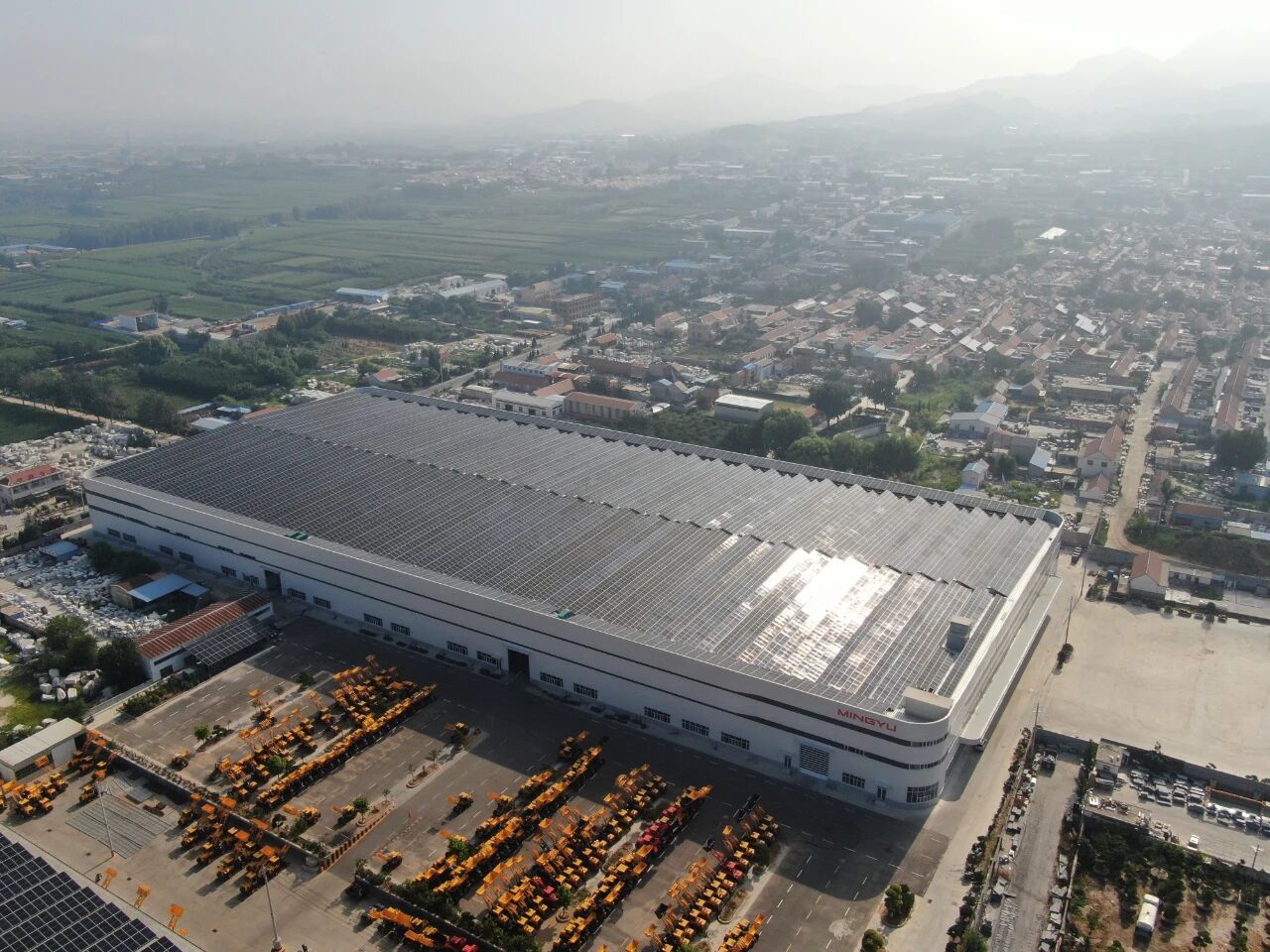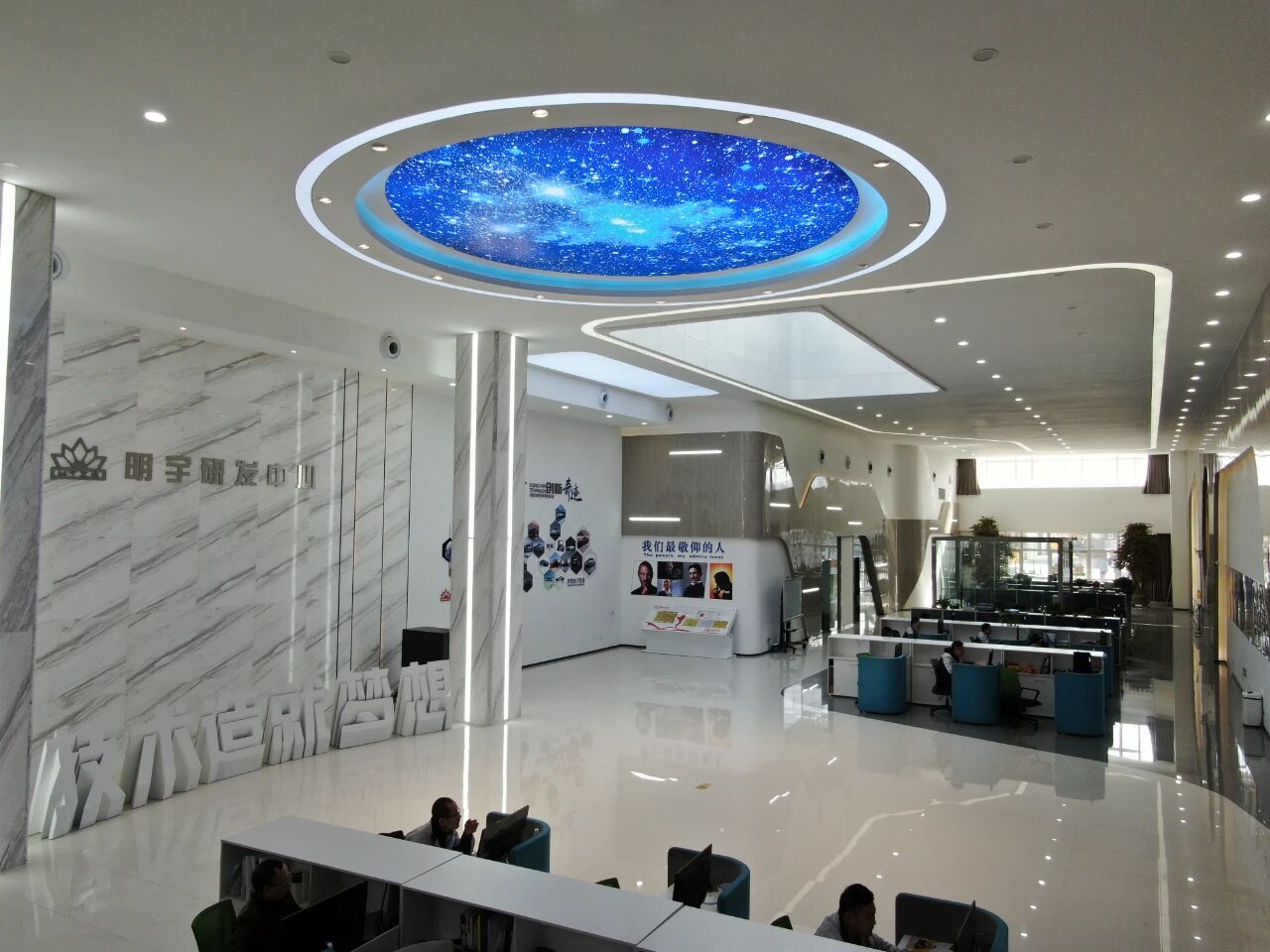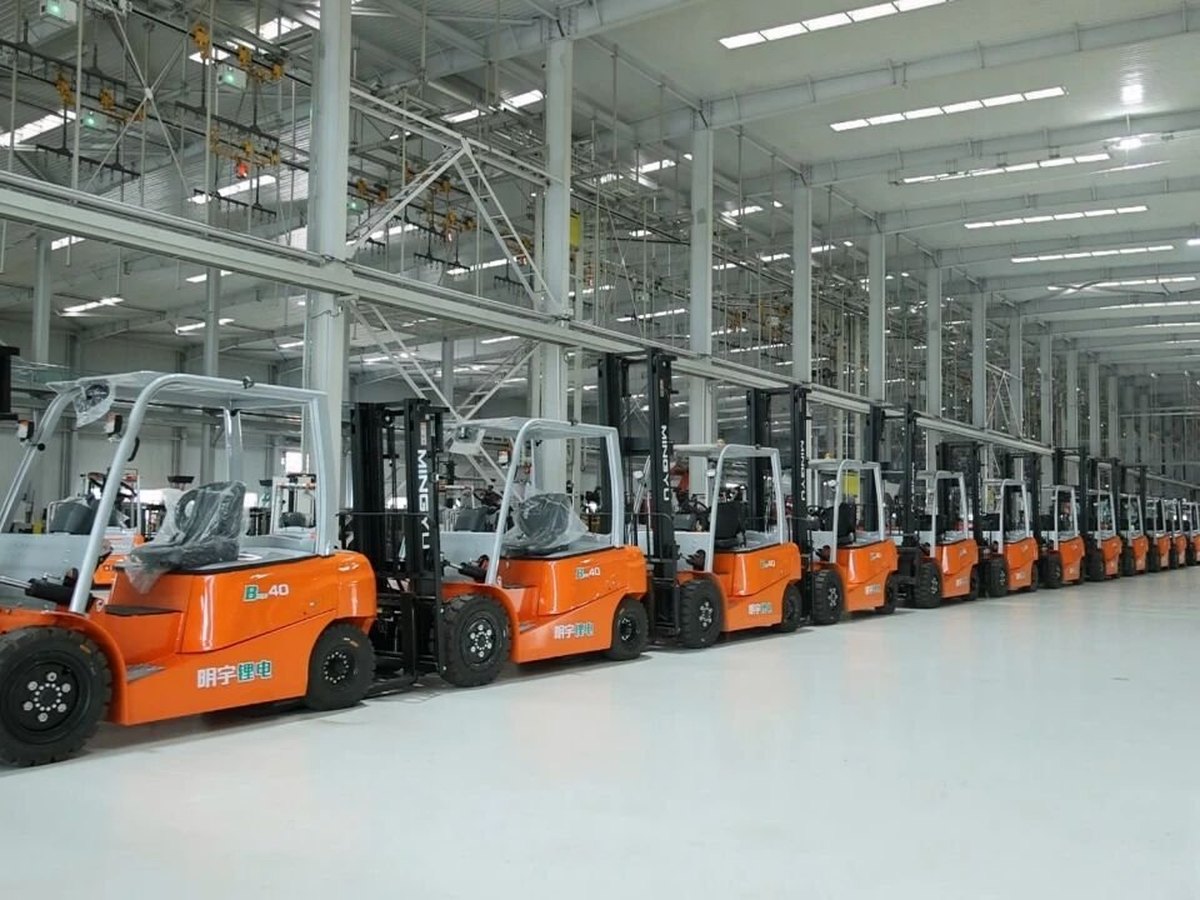
Lithium-ion forklifts have silently revolutionized global intralogistics over the past 15 years. Once regarded only as an inferior backup option for traditional material handling equipment, they have evolved into the core power supporting modern warehouses, global supply chains, and industrial manufacturing. This article reviews the industry transformation and how MINGYU drives continuous technological upgrading worldwide.
1. Lead-Acid Era Bottlenecks (Before 2010)
Before lithium technology matured, global warehouses relied heavily on lead-acid forklifts, which suffered from low efficiency, poor durability, and high hidden costs. Short battery life limited working hours, while heavy battery replacement increased labor risks and downtime. With mandatory replacement every two years, lead-acid systems consumed nearly 20% of enterprises’ annual operating costs. At that time, lithium batteries were costly and immature, remaining limited to laboratory applications.
Seeing the industry pain points in advance, MINGYU took the lead in developing a compatible power platform that supports seamless switching between lead-acid and lithium batteries. This innovative solution, included in the China Industrial Vehicle Technology White Paper, helped global factories achieve smooth and low-risk green transformation.
2. Lithium Technology Commercial Breakthrough (2010–2015)
Driven by the booming new energy vehicle industry, lithium battery technology entered rapid industrial iteration. With 30% higher energy density and 60% shorter charging time, lithium power completely outperformed traditional lead-acid solutions. After lithium battery costs dropped below $500/kWh in 2013, large-scale industrial application became feasible.
Global FMCG and pharmaceutical enterprises took the lead in upgrading. Actual operation data proved that lithium forklifts reduce annual power expenses by thousands of dollars and cut maintenance costs by 70%, achieving zero-emission, leak-free, and cleaner indoor logistics.
3. E-Commerce Boosts Global Lithium Penetration (2015–2020)
The explosive growth of cross-border e-commerce raised unprecedented demands for high-frequency, non-stop warehouse operations. Lithium forklifts realized fast charging and long-duration work, supporting 12-hour intensive operation with only 1.5 hours of charging. Eliminating dedicated battery storage zones greatly optimized warehouse space and increased cargo placement efficiency.
During this period, the global market share of lithium forklifts surged from 8% to 35%. MINGYU launched the exclusive Ultra-Fast Charging Ecosystem, combining intelligent charging networks and fleet management systems. This solution improved overall equipment utilization by 40% for large logistics hubs and was officially promoted by the domestic logistics industry association, setting new energy-saving standards for global warehousing.
4. Post-Pandemic Era: Lithium Becomes Industrial Standard (2020–Present)
Frequent global supply chain shocks made enterprises pay more attention to long-term TCO (Total Cost of Ownership). Practical data shows lithium forklifts reduce comprehensive operating costs by 42% compared with diesel models within a five-year cycle. With IP54 dustproof and waterproof performance and wide-temperature adaptive technology, lithium equipment has successfully expanded from indoor warehouses to ports, construction sites, and other harsh outdoor scenarios.
By 2022, the global penetration rate of lithium forklifts reached 61%. MINGYU further promoted intelligent upgrading through its Digital Twin Factory. Real-time big data monitoring reduces unit handling energy consumption by 28%, providing mature digital and low-carbon solutions for global high-end manufacturing and auto parts industries.
5. Next-Generation Competition: Defining Future Industrial Logistics
With the global lithium forklift replacement rate reaching 64.2% in 2023, industry competition has shifted from basic electrification to new technologies including battery swapping, sodium-ion batteries, and full-life carbon footprint management. Facing stricter EU carbon emission rules and global green trade standards, low-carbon and intelligent handling equipment has become a necessary condition for export enterprises.
MINGYU released the “Three Vertical & Three Horizontal” technology strategy, focusing on high-density lithium cell iteration while pre-researching hydrogen hybrid and solid-state battery technologies. As reported by the national intelligent manufacturing program, this layout breaks the technical bottlenecks of heavy-duty electric forklifts.
Conclusion From an immature alternative product to the backbone of global logistics, lithium forklifts represent the ongoing upgrade of Industry 4.0. Behind every global commodity circulation is the silent contribution of intelligent electric handling equipment. Moving forward, MINGYU will continue to lead the global electrification and intelligent transformation of industrial forklifts with reliable technology, lower overall costs, and greener solutions.
Data sources: China Construction Machinery Association, GGII, industrial public reports. For professional equipment selection reference only.