
Table of Contents
A30 shift planning starts with the busiest dispatch window
A warehouse can have a modest daily handling total and still struggle when several dispatch vehicles arrive together. For a warehouse choosing a lithium forklift, A30 shift planning should begin with the busiest useful time window: which pallets must move, where they start and when they must reach the loading area. That profile reveals whether the constraint is truck availability, aisle access, staging space or another part of dispatch.
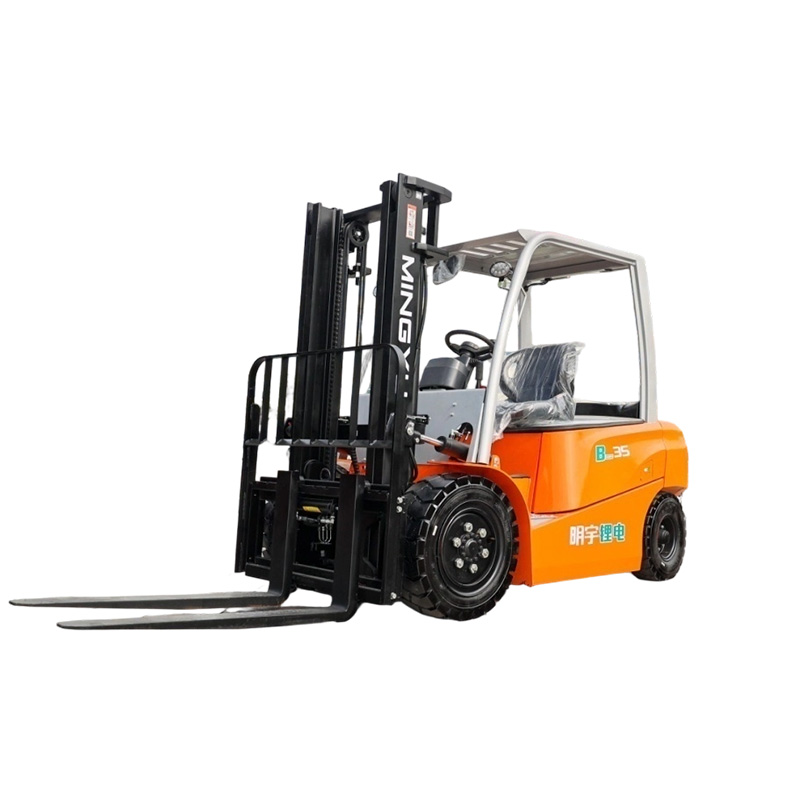
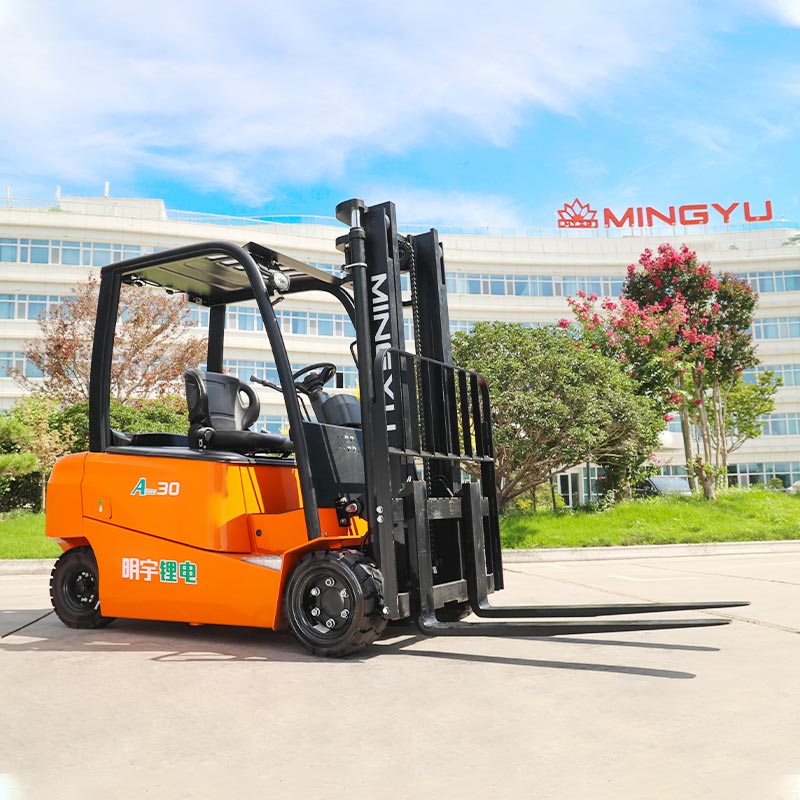
The A30 lithium battery forklift is listed with 3,000 kg lifting capacity, 3,000 mm lifting height and a 154 V/150 Ah lithium battery. Those specifications support an enquiry; they do not establish a guaranteed shift runtime. A30 shift planning connects the proposed truck with the actual duty and a workable charging arrangement.
Build the duty profile from movements rather than shift length
For A30 shift planning, divide the day into meaningful activity periods. Record travel distance, lift frequency, typical and maximum load, waiting and periods when the truck is available to charge. Distinguish occasional heavy work from the repeated tasks that dominate the shift. An eight-hour roster describes staffing; it does not say how many of those hours the machine travels, lifts or waits.
A hypothetical warehouse might receive inbound pallets early, replenish storage during the middle of the day and face a concentrated outbound peak later. A30 would examine the work in each period and the transitions between them. Its purpose is to show why the supplier needs the duty profile, including the work that must remain available while another operator is on break.
Read battery data for A30 shift planning without promising runtime
The published battery description gives A30 shift planning a starting point of 154 V and 150 Ah. Multiplying those nominal values produces 23.1 kWh as a simple nameplate calculation. That result is not usable energy, charging time or a runtime prediction. Actual energy availability and consumption require the battery information, control limits, operating conditions and task evidence. Ask the supplier to explain the supplied battery configuration and the basis of any endurance statement.
For A30, keep separate records for catalogue data and claims made for the proposed duty. If a seller states that the truck can complete your shift, ask which load, route, lift frequency, ambient conditions and charging assumptions support that answer. Obtain the response in writing with the equipment quotation. The source page does not establish battery chemistry beyond lithium, so request the relevant battery documentation rather than inferring a particular cell type or thermal behaviour.
Place charging within the A30 shift planning timetable
A30 shift planning needs a real charging location, not a notional break in the timetable. Ask for the compatible charger's input requirements, output, connector and instructions. Have the responsible electrical and site teams review the available supply and installation arrangements. The product page does not identify a charger or its charging time. Do not assume that an existing socket or a charger from another truck is suitable for the proposed battery system.
Check the route to the charging position as part of A30. Can the truck park there without blocking a fire route, another truck or the dispatch lane? Who connects it, and how is its availability communicated to the next operator? Follow the supplied battery and charger instructions for charging conditions and abnormal situations.
Measure loaded aisles during A30 shift planning
The A30 lists dimensions without forks of 2,540 × 1,233 × 2,100 mm and a 2,330 mm minimum turning radius. In A30 shift planning, these help identify questions but do not establish the stacking aisle required for a particular pallet. Include the actual forks, carried load, rack layout and approach. Request the supplier's relevant layout dimensions for the quoted configuration, with the references and pallet assumptions clearly stated.
A30 should examine the busiest turning and staging points, not just the widest main corridor. A pallet waiting for dispatch can reduce space at the exact time another operator needs to replenish a rack. Record where temporary loads appear during peaks and who controls their positions. Ask for an assessment that reflects the occupied layout the team expects to use during normal busy operation.
Confirm the rack, pallet and mast combination
A 3,000 mm lifting-height entry does not answer every rack-handling question. For A30 shift planning, supply the receiving heights, pallet dimensions, load centre information and any overhead restrictions. Ask for the applicable capacity information and mast dimensions for the exact equipment. The published overall height should not be treated as the complete raised-mast envelope or free-lift specification.
The A30 page also lists 4,560 kg operating weight, pneumatic tyres, a 1,630 mm wheelbase and gantry inclination of 6/12 degrees. Use those as configuration facts to confirm during A30, not as a floor approval or an instruction to operate at a particular tilt. The responsible site team needs the relevant machine and loading information for its assessment of floors, transitions and loading areas. Keep that assessment separate from headline lifting capacity.
Compare shift arrangements through the same peak demand
A30 shift planning can compare a single-truck arrangement, an approved charging plan or additional handling capacity. The table below shows the evidence each approach needs; it does not establish which option costs less or completes a shift. The comparison should preserve the same dispatch demand.
For A30 shift planning, a second truck can address concurrent tasks only if the site also has room, trained operators and suitable arrangements for charging and traffic. A charging break helps only when the truck can be unavailable at that time and the proposed charging method is approved. Document these dependencies.
| Arrangement to assess | Evidence required | Question during peak dispatch |
|---|---|---|
| One truck with planned charging | Duty data and supplier-approved battery/charger plan | Can the truck be unavailable at the planned time? |
| Move replenishment outside dispatch peak | Storage and staffing plan for the revised sequence | Will stock remain available when orders are picked? |
| Additional handling truck | Concurrent task profile, layout and operator availability | Can both machines work without creating an aisle conflict? |
| Revise vehicle arrival windows | Agreed dispatch schedule and customer requirements | Does the change remove an actual demand peak? |
Ask for a trial with an agreed evidence record
A useful A30 shift planning trial resembles the intended work sufficiently to answer the open questions. Agree the truck configuration, load types, route, lifting tasks and charging conditions with the supplier and responsible site team. Record the work completed and any relevant battery information available from the supplied system. Note interruptions and idle periods. A demonstration with empty forks on a short route cannot support an endurance conclusion for heavily loaded dispatch work.
Keep observations from A30 shift planning distinct from commitments in the order. If the supplier offers a performance assurance, define its duty conditions, acceptance method and equipment scope in the commercial documents. The current product record gives no verified charging duration, battery life or shift endurance. Leave those items open until the appropriate evidence is supplied. A good trial can expose an unsuitable aisle or timetable even when it does not produce a universal battery-runtime figure.
Create a handover routine between operators
A30 shift planning continues after procurement because the next operator inherits the truck's condition and availability. Define how operators report defects, unfinished handling tasks and the charging state indicated by the supplied system. Identify who decides whether the machine can return to work, using the relevant instructions and site procedure. Do not invent a universal battery percentage threshold or assume an indicated charge level predicts a fixed amount of remaining work.
Maintenance and support also belong in A30 shift planning. Obtain the correct inspection and maintenance instructions, battery and charger documents, parts references and support contacts. Clarify what site staff can undertake and what needs authorised service. Ask how fault information should be collected without opening equipment or bypassing protections.
Turn the duty profile into a reviewable purchase record
The final A30 shift planning brief should contain the duty profile, peak demand, pallet and rack information, occupied aisle plan, charging location and electrical-supply questions. Add the destination, quantity and exact equipment required. Ask MINGYU to identify which requirements the proposed configuration addresses and which still need site action or evidence. Retain the technical response alongside the quotation so purchasing and warehouse teams share the same assumptions.
At delivery, revisit A30 shift planning with the actual truck, battery and charger identities. Match the supplied documents and equipment to the order, resolve differences and arrange appropriate operator training and familiarisation. Keep the accepted duty profile available for later changes. If the warehouse adds a new dispatch peak, a longer route or heavier pallets, review the plan again. The purchase assessment should remain a useful description of the work, rather than becoming an archived promise that every future shift is covered.
Explore the A30 lithium forklift specifications, the lithium forklift range and MINGYU service and support. For wider workplace planning, refer to the relevant official guidance alongside the machine instructions and applicable local requirements.
Request an A30 shift planning review from MINGYU using your peak dispatch profile, rack and pallet details, warehouse plan and charging information. Ask for a configuration proposal and the evidence needed to assess your actual duty before ordering.
Frequently asked questions
Does the battery specification establish an eight-hour runtime?
No. The published 154 V/150 Ah description does not establish shift endurance. A30 shift planning needs the actual duty profile and supplier evidence for the supplied battery and configuration.
Can the A30 use any lithium forklift charger?
A30 shift planning needs the approved charger specification, connector, input requirements and instructions for the exact battery system. Compatibility is not established by the battery category.
Is minimum turning radius the required stacking aisle?
No. A30 shift planning must consider forks, pallet geometry, rack arrangement and approach. Obtain configuration-specific layout information and assess the occupied warehouse.
What should A30 shift planning include in a trial?
Include representative loads, routes, lifting work, interruptions and the agreed charging conditions. Record the machine configuration and keep any conclusion tied to those conditions.
What information should accompany an A30 quotation request?
Send the duty profile, busiest dispatch window, pallet and rack details, aisle layout, charging location, supply questions, destination and quantity. Ask for the complete truck, battery and charger scope.